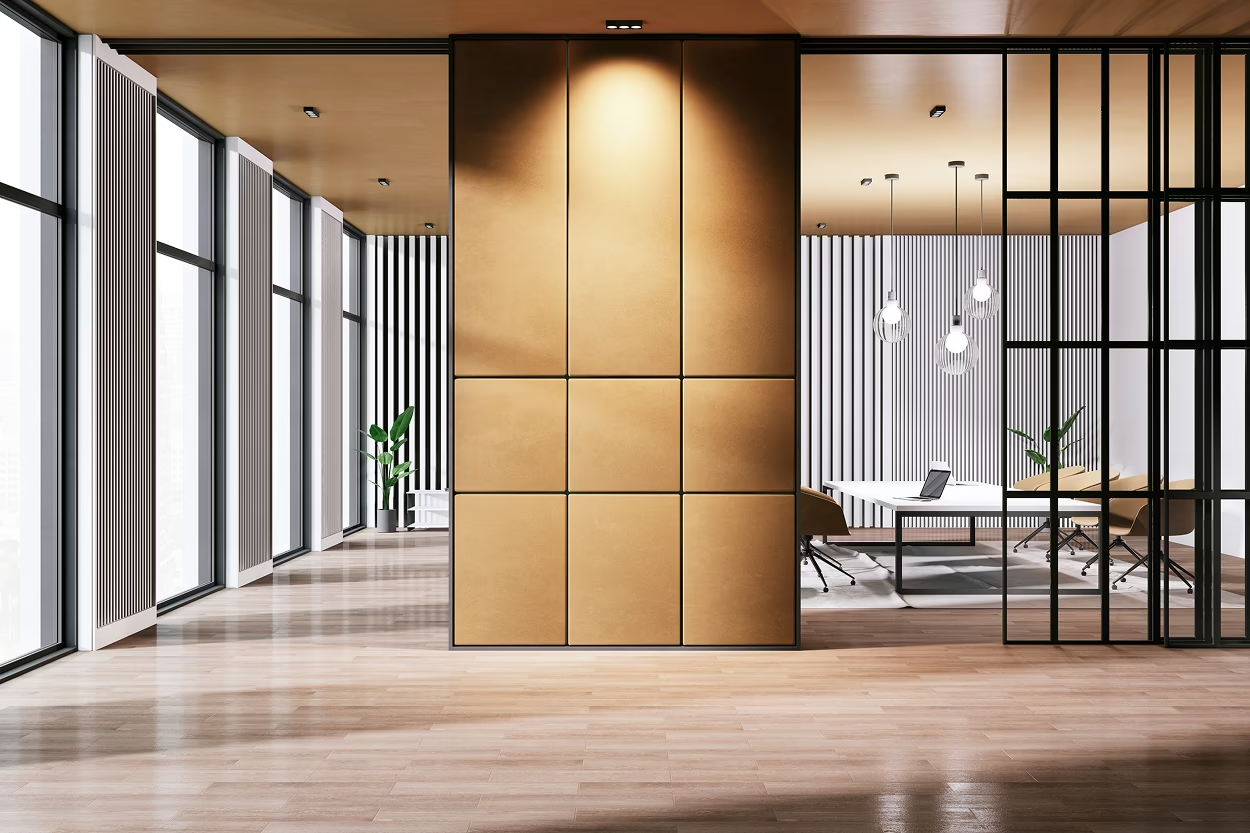
A. Types of Lighting
Ambient Lighting
Ambient lighting is the general, overall light in a room. It provides enough illumination to make the space functional and comfortable.
How to use:
Ceiling-mounted fixtures such as chandeliers, recessed lighting, and track lighting are typical sources of ambient lighting. Dimmable fixtures are ideal for adjusting brightness based on the time of day or the mood you want to create.
Task Lighting
Task lighting is designed for specific activities such as reading, cooking, or working. It is more focused and intense than ambient lighting.
How to use:
Desk lamps, under-cabinet lighting, and pendant lights above kitchen islands or reading nooks all serve as effective task lighting. The goal is to provide sufficient light for the task at hand without causing glare or eyestrain.
Accent Lighting
Accent lighting is used to highlight specific areas or objects in a room, such as artwork, architectural features, or plants. It adds drama and visual interest to the space.
How to use:
Wall-mounted sconces, track lights, and spotlights work well for accent lighting. Aim to direct the light toward a focal point like a piece of art, a textured wall, or a sculpture to create depth and emphasize design features.
B. Lighting Layers
Layered lighting is the key to creating a balanced, functional, and visually appealing space. For the best results, every room should combine ambient, task, and accent lighting.
Start with Ambient Lighting
Begin by selecting a central light source that provides general illumination. This establishes the room’s mood and ensures safe movement throughout the space.
Add Task Lighting for Practicality
Incorporate task lighting for specific activities, making sure work areas and reading zones are properly illuminated.
Enhance with Accent Lighting
Finish with accent lighting to draw attention to focal points such as artwork, sculptures, or architectural details. This is where you can add creativity and visual drama.
C. Lighting and Mood
Lighting is one of the most effective ways to influence the atmosphere of a room. The color, intensity, and placement of light all play a role in shaping how a space feels.
Soft, Warm Lighting
Soft, warm lighting creates a cozy, intimate, and relaxing environment. It’s ideal for living rooms, bedrooms, and dining areas where comfort and relaxation are key.
Bright, Cool Lighting
Bright, cool lighting works best in energetic spaces like kitchens, bathrooms, and home offices. It provides clear illumination that supports focus and productivity.
Dimmed Lighting for Relaxation
Dimmable lighting allows you to adjust brightness based on your mood. Lowering the lights in the evening can instantly make a space feel calmer and more inviting.
D. Choosing the Right Fixtures
Lighting fixtures contribute not only to illumination but also to the overall style of a room. Keep the following options in mind when selecting fixtures.
Chandeliers and Pendant Lights
These statement pieces can elevate dining rooms, foyers, and living spaces. Choose a size and style that complements the proportions and design of the room.
Lamps
Table and floor lamps are versatile lighting solutions that enhance ambiance while providing focused light for reading or tasks.
Recessed Lighting
Recessed lighting is ideal for modern interiors, offering clean, unobtrusive illumination that works well for both ambient and accent lighting.
Smart Lighting
Smart lighting systems allow you to control brightness and color temperature remotely. They’re an excellent choice for creating flexible lighting environments that adapt to different needs and times of day.
Conclusion
Lighting is a fundamental element of interior design that greatly influences the look, feel, and functionality of a space. By layering different types of lighting and selecting the right fixtures, you can create the perfect atmosphere for every room. Whether your goal is to energize a space or design a calming retreat, thoughtful lighting choices will help transform your interior into a stylish and welcoming home.